
Mood swings, impulsive decisions, and turbulent relationships can point to either borderline personality disorder (BPD) or bipolar disorder, and telling the two apart is one of the most common challenges in mental health care. Because the conditions look similar on the surface but require different treatment approaches, getting an accurate diagnosis is an essential first step.
At Pathways Behavioral Health in Burlington, New Jersey, adults living with BPD, bipolar disorder, or symptoms they don’t yet understand can find individualized, evidence-based care. Pathways offers a range of mental health treatment programs, each offering personalized support for behavioral health conditions.
What Is the Difference Between Borderline Personality Disorder and Bipolar Disorder?
Borderline personality disorder (BPD) and bipolar disorder are two different conditions that share some surface-level symptoms, but they work very differently. Bipolar disorder causes distinct mood episodes, such as mania or depression, that can last days to months and often occur without a clear trigger. BPD causes rapid emotional shifts, usually in response to interpersonal stress, that can cycle within hours.
These conditions share some symptoms, which is why they are frequently confused or misdiagnosed. Getting the right diagnosis matters because the treatments are different. At Pathways Behavioral Health, we offer a comprehensive assessment to determine a treatment plan and are committed to helping adults navigate both conditions through individualized outpatient and intensive programs.
How Does Pathways Behavioral Health Treat BPD and Bipolar Disorder?
Pathways Behavioral Health provides individualized care for adults with BPD and bipolar disorder. Each treatment plan is built around a person’s specific diagnosis, history, and goals.
Pathways offers several levels of outpatient care, so adults can get the support they need while continuing to live at home. Programs include:
- Outpatient treatment
- Intensive outpatient (IOP)
- Partial hospitalization (PHP)
- Telehealth
Clients may move between levels of care as their needs change during treatment.
Our treatment programs for both bipolar disorder and borderline personality disorder include integrated therapy modalities. Therapies available at Pathways include:
- Dialectical behavior therapy (DBT)
- Cognitive behavioral therapy (CBT)
- Individual therapy
- Group therapy
These approaches help clients understand their symptoms, manage emotional shifts or mood episodes, and build practical skills for daily life.
For adults with co-occurring substance use disorders alongside BPD or bipolar disorder, Pathways Behavioral Health provides dual diagnosis programming that treats both conditions together. Medication-assisted treatment (MAT) is also available for clients with opioid or alcohol use disorders.
What Is Borderline Personality Disorder (BPD)?
BPD is a mental health condition defined by instability in emotions, self-image, and relationships. According to a study published in the National Library of Medicine, 0.7% to 2.7% of people will have BPD at some point in their lives.
The DSM-5 describes BPD through patterns including fear of abandonment, unstable relationships, identity disturbance, impulsivity, self-harm, emotional instability, chronic emptiness, intense anger, and stress-related paranoia. Research published through the NIH has linked BPD to early trauma, disrupted attachment, and difficulties with emotional regulation that persist into adulthood.
- Intense fear of real or perceived abandonment
- Unstable, intense relationships that shift between idealization and devaluation
- Chronic feelings of emptiness
- Impulsive behaviors such as reckless spending or substance use
- Recurrent self-harm or suicidal behavior
- Rapid emotional shifts triggered by interpersonal events
At Pathways Behavioral Health, we provide outpatient personality disorder treatment.
What Is Bipolar Disorder?
Bipolar disorder is a mood disorder characterized by episodes of mania or hypomania alternating with depressive episodes. According to the National Institute of Mental Health (NIMH), an estimated 2.8% of U.S. adults experience bipolar disorder in a given year.
Unlike BPD, bipolar disorder is strongly linked to genetic and neurological factors. Research from the NIH indicates that having a first-degree relative with bipolar disorder significantly increases a person’s risk, pointing to a biological basis that is distinct from the trauma-related origins more commonly associated with BPD.
What Are Mania, Hypomania, and Depressive Episodes?
Mania is a period of abnormally elevated or irritable mood, increased energy, decreased need for sleep, and impulsive or risky behavior that lasts at least seven days, according to DSM-5 criteria. Hypomania is a less severe version of mania that lasts at least four days and does not cause the same level of functional impairment. Depressive episodes involve persistent low mood, loss of interest, fatigue, and difficulty concentrating, lasting at least two weeks.
How Do Bipolar I and Bipolar II Differ?
Bipolar I disorder requires at least one full manic episode, which may or may not be followed by depressive episodes. Bipolar II disorder involves at least one hypomanic episode and at least one major depressive episode, but no full mania. According to NIMH, bipolar II is not a milder form of bipolar I; the depressive episodes in bipolar II are often more frequent and longer-lasting.
How Do BPD and Bipolar Differ in Daily Patterns and Risks?
The clearest practical difference between BPD and bipolar disorder is the timing and trigger of mood changes. Bipolar episodes are longer and often occur without an obvious cause, while BPD emotional shifts are faster and almost always tied to something happening in a relationship or environment.
Both conditions carry elevated risk for self-harm and suicide. Research reviewed by the National Institutes of Health indicates that individuals with BPD have a lifetime suicide attempt rate estimated between 60 and 70%, and up to about 5-10% die by suicide. Bipolar disorder also carries significant suicide risk, with NIMH noting that between 20-60% of people with bipolar disorder attempt suicide. Anyone experiencing thoughts of suicide can call or text 988 to reach the Suicide & Crisis Lifeline at any time.
How Do Mood Swings Differ in BPD vs Bipolar?
In BPD, emotional shifts can move from calm to intense distress and back within the same day, usually in response to a perceived slight, rejection, or conflict. In bipolar disorder, mood episodes are more sustained, often lasting days to weeks, and are not typically triggered by a specific interpersonal event. This difference in duration and trigger is one of the most useful clinical distinctions between the two.
Why Are BPD and Bipolar Often Confused?
Both conditions involve impulsivity, emotional intensity, and periods of depression, which creates significant overlap on the surface. According to research cited by the NIH, misdiagnosis is common, and some studies suggest that a large portion of people with BPD are initially diagnosed with bipolar disorder before receiving a more accurate assessment. A thorough clinical evaluation that looks at the pattern, timing, and context of symptoms, not just the symptoms themselves, is necessary to tell them apart.
Borderline Personality Disorder vs Bipolar Disorder FAQs
Yes. BPD and bipolar disorder can and do co-occur in the same person. According to research indexed by the National Library of Medicine, co-occurrence rates between the two conditions are significant, which makes accurate differential diagnosis especially important before building a treatment plan.
A clinician uses a structured clinical interview, a review of symptom history, and DSM-5 criteria to distinguish between the two. Key factors include the duration of mood episodes, whether shifts are triggered by interpersonal events, and the presence of identity disturbance or chronic emptiness, which are more specific to BPD.
DBT is considered a first-line therapy for BPD, with strong evidence for reducing self-harm and improving emotional regulation, according to NIMH. CBT and interpersonal therapy are commonly used for bipolar disorder, particularly to address depressive episodes and improve functioning between mood episodes.
Bipolar disorder has well-established medication protocols, including mood stabilizers and certain atypical antipsychotics. BPD does not have FDA-approved medications specifically for the condition, though medications may be used to address specific symptoms such as depression, anxiety, or impulsivity when clinically appropriate.
An adult should seek help any time mood instability, self-harm, or emotional dysregulation is interfering with daily life, relationships, or safety. Waiting for symptoms to become severe is not necessary; earlier assessment leads to earlier support and better outcomes, according to SAMHSA’s treatment guidance. Anyone having thoughts of suicide can call or text 988 to reach the Suicide & Crisis Lifeline.
Begin Treatment at Pathways Behavioral Health
Adults in New Jersey who are experiencing mood instability, self-harm urges, or emotional dysregulation do not need a confirmed diagnosis to reach out. A clinical assessment is the first step, and it can clarify what is happening and what kind of support fits. Pathways Behavioral Health is committed to helping adults find a path forward. Contact us to start or learn more about treatment for mental health or addiction.
https://pmc.ncbi.nlm.nih.gov/articles/PMC10786009/
https://pmc.ncbi.nlm.nih.gov/articles/PMC11738078/
https://www.nimh.nih.gov/health/statistics/bipolar-disorder
https://pmc.ncbi.nlm.nih.gov/articles/PMC6723289/
https://pubmed.ncbi.nlm.nih.gov/19889426/
https://www.nimh.nih.gov/health/topics/borderline-personality-disorder
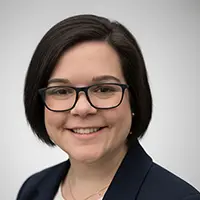
Born and raised in New Jersey, Rebecca is a Licensed Social Worker (LSW) with a deep commitment to supporting individuals and families through life’s most challenging seasons. With a strong clinical background in hospital-based case management, she brings valuable experience from a wide range of healthcare and community settings. As a licensed social worker, Rebecca is known for her compassionate, client-centered approach, strong advocacy skills, and calm presence during times of crisis. Whether helping clients navigate complex systems or providing emotional support, her work is grounded in empathy, professionalism, and a genuine passion for improving lives.
