
Understanding a mental health condition can make it easier to recognize symptoms, make informed treatment decisions, and take an active role in recovery. However, knowing where to start can feel overwhelming, especially when someone is navigating a new diagnosis or unfamiliar treatment options.
Psychoeducation helps bridge that gap. It gives individuals practical information about their mental health, explains how symptoms and treatments work, and teaches strategies they can use in everyday life. Whether someone is managing anxiety, depression, or another mental health condition, learning more about their experiences can be an important part of treatment.
For adults seeking support in Burlington, NJ, Pathways Behavioral Health incorporates psychoeducation into its broader approach to care.
What Is Psychoeducation?
Psychoeducation is a structured approach to teaching individuals about mental health conditions, symptoms, treatment options, and coping strategies. It combines education with therapeutic support to help people better understand what they are experiencing and how to manage challenges.
Rather than simply providing information, psychoeducation connects that knowledge to everyday situations. Individuals may learn to recognize early warning signs, understand how their condition affects daily life, and identify strategies that support their well-being.
Psychoeducation can also help people prepare for conversations with treatment providers and make more informed decisions about their care. It is often used alongside other approaches, including individual therapy, group therapy, and medication management.
What Are the Benefits of Psychoeducation?
Learning about a mental health condition can help reduce uncertainty and give individuals a clearer understanding of their treatment. While everyone’s experience is different, psychoeducation can support several aspects of recovery.
Potential benefits include:
- Greater awareness: Understanding symptoms, triggers, and patterns can help individuals recognize changes in their mental health.
- Reduced stigma: Learning about mental health conditions can challenge misconceptions and reduce feelings of shame or self-blame.
- Improved coping skills: Education can introduce practical strategies for responding to stress, difficult emotions, and other challenges.
- More informed treatment decisions: Understanding available therapies and medications can help individuals participate in conversations about their care.
- Better communication: Psychoeducation can help individuals explain their needs and communicate more effectively with clinicians and support systems.
- Early recognition of symptoms: Learning personal warning signs can help people identify when additional support may be needed.
Psychoeducation does not replace clinical treatment. Instead, it helps individuals understand and participate in the treatment process.
What Are the Different Types of Psychoeducation?
Psychoeducation can take place in individual, group, or family-focused settings. The format depends on a person’s needs, treatment goals, and available services.
Individual psychoeducation takes place during one-on-one sessions with a clinician. The information is tailored to the person’s diagnosis, symptoms, questions, and learning preferences.
Someone who is newly diagnosed with depression, for example, may discuss common symptoms, potential triggers, and available treatment approaches. Another person may focus on recognizing early signs of anxiety or developing strategies for managing stressful situations.
Individual sessions also give people an opportunity to ask questions privately and explore topics at a pace that feels manageable. Learn more about therapy services at Pathways Behavioral Health.
Group psychoeducation brings together individuals who may share similar mental health experiences or treatment goals. Sessions often follow a structured curriculum and cover topics such as symptom management, coping strategies, medication education, and relapse prevention.
Hearing from others can help participants recognize that they are not alone in their experiences. Group settings may also provide opportunities to practice communication skills, discuss challenges, and learn different ways of approaching recovery.
For additional information about structured treatment and support, explore Pathways Behavioral Health’s intensive outpatient program.
Family-focused psychoeducation helps loved ones understand mental health conditions and learn ways to provide appropriate support. Topics may include recognizing symptoms, understanding treatment, communicating effectively, and establishing healthy boundaries.
When family members have a better understanding of what someone is experiencing, they may be better equipped to offer support without judgment. Education can also help loved ones recognize their own needs and maintain healthy boundaries.
The availability of family psychoeducation sessions at Pathways Behavioral Health should be confirmed with the treatment team before this is presented as a specific program service.
What Mental Health Conditions Can Psychoeducation Support?
Psychoeducation can be incorporated into treatment for many mental health conditions. The information covered depends on the individual’s diagnosis, symptoms, and treatment goals.
Conditions that may benefit from psychoeducation include:
- Major depressive disorder
- Generalized anxiety disorder
- Bipolar disorder
- Post-traumatic stress disorder (PTSD)
- Schizophrenia and other psychotic disorders
- Obsessive-compulsive disorder (OCD)
- Borderline personality disorder
For example, someone living with bipolar disorder may learn to recognize mood changes and understand the importance of following their treatment plan. A person managing anxiety may explore how physical symptoms, thoughts, and behaviors can interact.
Psychoeducation is not a substitute for an individualized assessment or treatment plan. A qualified clinician can help determine what information and strategies are most appropriate for each person.
How Does Psychoeducation Work With CBT, DBT, and Medication?
Psychoeducation is often used alongside other mental health treatments. It helps individuals understand the concepts behind therapeutic approaches and how those approaches may apply to their experiences.
Cognitive behavioral therapy (CBT) focuses on the relationships between thoughts, feelings, and behaviors. Psychoeducation can introduce these connections before individuals begin practicing strategies for identifying and changing unhelpful thought patterns. Learn more about CBT at Pathways Behavioral Health.
Dialectical behavior therapy (DBT) teaches skills related to emotional regulation, distress tolerance, mindfulness, and interpersonal effectiveness. Psychoeducation can explain these concepts and why the skills may be useful in everyday situations.
Medication management may also involve education about the purpose of prescribed medications, how they are intended to work, possible side effects, and the importance of discussing concerns with a prescribing provider. Individuals should never change or stop a prescribed medication without consulting their clinician.
Combining education with active treatment can help individuals better understand their care and apply what they learn outside of sessions.
How Is Psychoeducation Used in IOP and Outpatient Treatment?
Psychoeducation can be incorporated into different levels of mental health care, including intensive outpatient programs (IOP), partial hospitalization programs (PHP), and standard outpatient treatment.
In these settings, education may take place alongside individual therapy, group sessions, medication management, and other therapeutic services. The goal is to help individuals build knowledge and practical skills while receiving a level of support that reflects their needs.
Pathways Behavioral Health offers PHP, IOP, and outpatient treatment for adults in Burlington, NJ. Depending on the individual’s assessment and treatment plan, care may incorporate psychoeducation with approaches such as CBT and DBT.
These levels of care provide different amounts of structure and support. A treatment team can help determine which option is appropriate based on symptoms, daily functioning, and clinical needs.
Explore Mental Health Treatment at Pathways Behavioral Health
Learning about a mental health condition can be an important step toward understanding symptoms and participating in recovery. Psychoeducation helps individuals develop that understanding while building skills they can use in daily life.
Pathways Behavioral Health provides mental health treatment for adults in Burlington, NJ. Treatment plans are individualized and may include psychoeducation, therapy, medication management, and other services based on clinical needs.
To learn more about available treatment options or discuss next steps, contact Pathways Behavioral Health.
Psychoeducation FAQs
There is no set timeline for psychoeducation. Individuals may gain useful information during their first sessions, but applying that knowledge and developing new habits can take time. Progress depends on personal needs, treatment goals, and the consistency with which someone practices the strategies they learn.
Yes. Psychoeducation can support addiction treatment by helping individuals understand how substances affect the brain and body, recognize triggers, and learn about relapse prevention. It may also explain the relationship between substance use and co-occurring mental health conditions.
Coverage depends on the individual’s insurance plan, the type of service, and the provider’s network status. Individuals should contact their insurance company and the treatment provider to confirm benefits, eligibility, and potential out-of-pocket costs.
Psychoeducation focuses on providing information about mental health conditions, symptoms, treatment, and coping strategies. Therapy involves working with a clinician to address emotional challenges, thought patterns, behaviors, and other concerns. The two approaches can complement each other and are often incorporated into the same treatment plan.
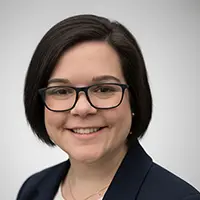
Born and raised in New Jersey, Rebecca is a Licensed Social Worker (LSW) with a deep commitment to supporting individuals and families through life’s most challenging seasons. With a strong clinical background in hospital-based case management, she brings valuable experience from a wide range of healthcare and community settings. As a licensed social worker, Rebecca is known for her compassionate, client-centered approach, strong advocacy skills, and calm presence during times of crisis. Whether helping clients navigate complex systems or providing emotional support, her work is grounded in empathy, professionalism, and a genuine passion for improving lives.
